
FAQs About U.S. Immigration Agencies
The primary immigration agency is USCIS (U.S. Citizenship and Immigration Services), which handles green cards, citizenship, work permits, asylum, and most applications.
USCIS processes applications and benefits, while ICE (Immigration and Customs Enforcement) enforces immigration laws, investigates fraud, and manages deportations.
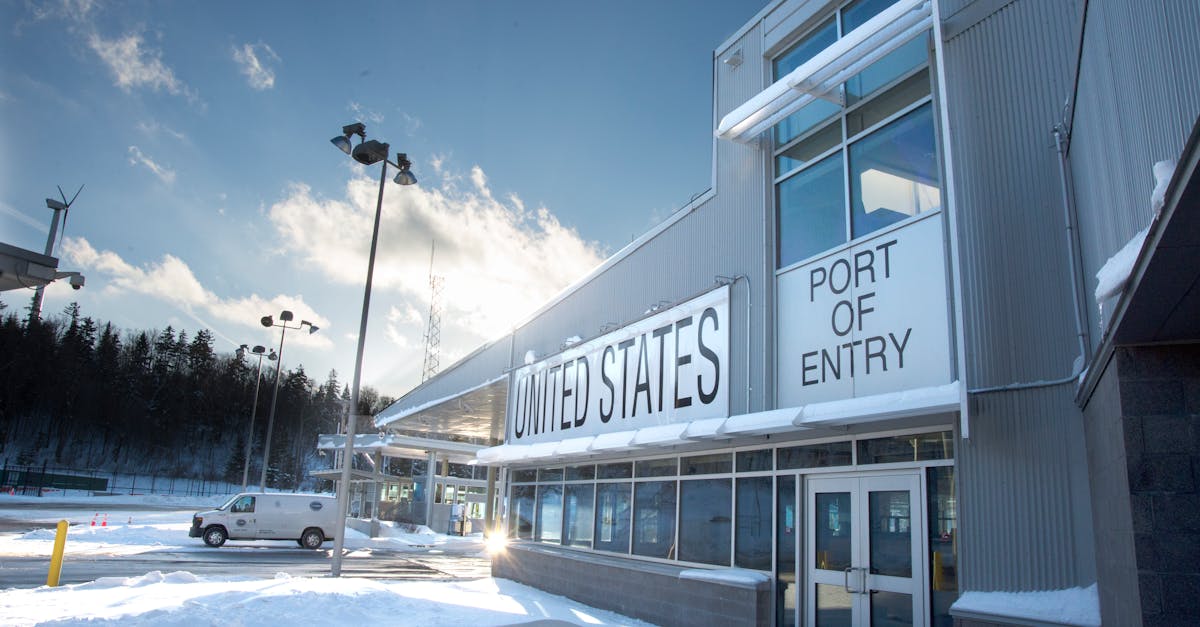
CBP (Customs and Border Protection) is responsible for border security, inspecting travelers at ports of entry, preventing illegal crossings, and processing asylum seekers.
The Department of State (DOS) manages U.S. embassies and consulates abroad. They issue immigrant and nonimmigrant visas for travel to the United States.
The Executive Office for Immigration Review (EOIR) runs immigration courts and appeals. Immigration judges decide asylum, deportation, and other legal cases.
DOL ensures hiring foreign workers does not harm U.S. workers. They oversee labor certification (PERM) and temporary worker programs like H-2A and H-2B.
Yes. The Social Security Administration (SSA) issues SSNs to authorized immigrants. An SSN is required for employment and access to many U.S. services.
The Office of Refugee Resettlement (ORR) under HHS (Health and Human Services) provides housing, medical care, and placement for refugees and vulnerable immigrants.
Agencies like USCIS, EOIR, and DOS face record-high application volumes, staffing shortages, and policy changes, leading to long processing delays.
It depends on your situation:
USCIS: applications for green cards, citizenship, asylum, or work permits
ICE/CBP: enforcement or border issues
DOS: visas abroad
EOIR: immigration court cases
DOL: employment-based processes
SSA: Social Security numbers
HHS: refugee and humanitarian services