
Visiting the United States sounds simple enough, but if you are not from a visa-exempt country, you need a U.S. visitor visa. The U.S. Visitor Visa (B1/B2) is one of the most common ways for foreign nationals to temporarily enter the United States. Whether you are travelling for business (B1) or tourism and family visits (B2), this visa lets you stay for a short period without becoming a permanent resident. Understanding the basics, eligibility, documents, and interview tips can make the process much smoother. This visa allows you to enter the country temporarily, whether you are coming for tourism, to visit family, or for short-term business.

The visitor visa category falls under the B1/B2 visa classification:

  • B1 Visa: for business purposes such as meetings, conferences, or contract negotiations.
  • B2 Visa: for tourism, medical treatment, or visiting relatives and friends.

Most applicants apply for a B2 tourist visa or a combined B1/B2 visa, since both are usually issued together.

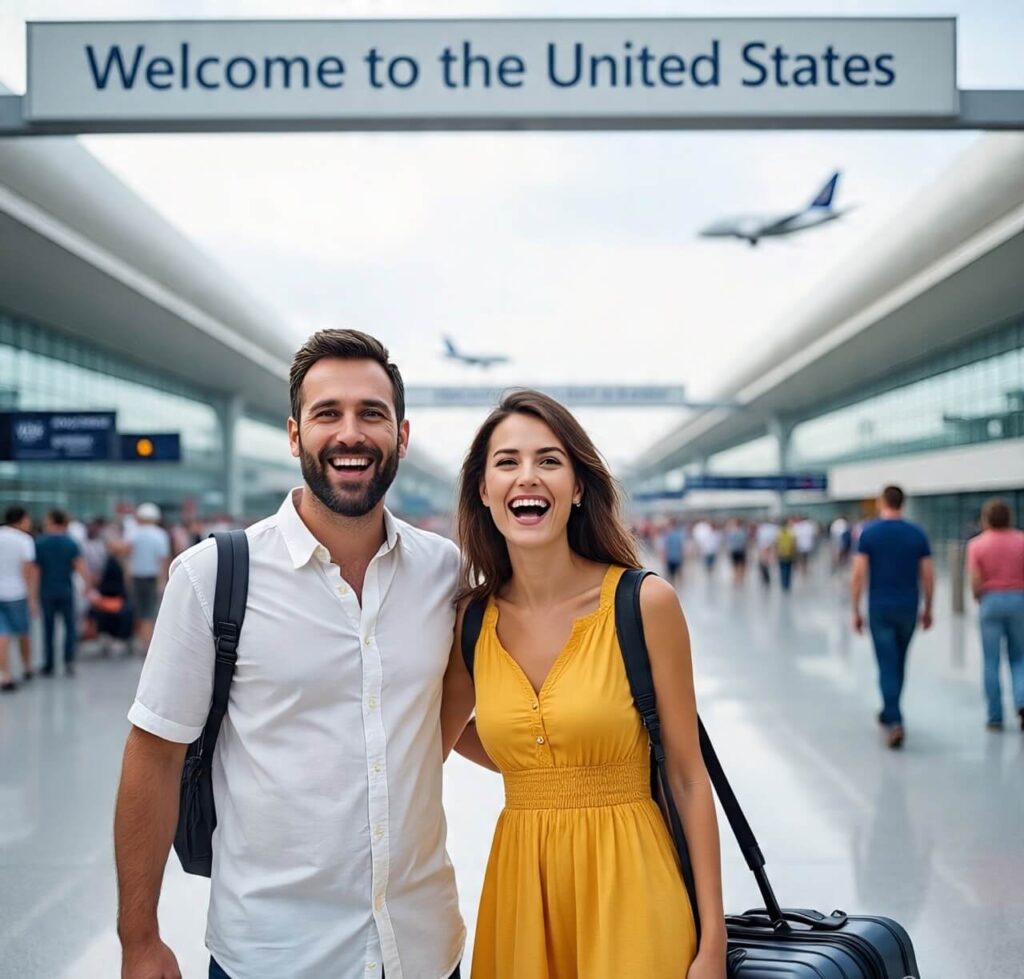
Family traveling on a U.S. Visitor Visa (B1/B2)

Who Needs a U.S. Visitor Visa (B1/B2)?

The U.S. Visitor Visa (B1/B2) typically allows stays of up to six months. You need a visitor visa if your country is not part of the Visa Waiver Program (VWP). Nationals of VWP countries can travel with an ESTA for up to 90 days, but if you are from India, Nepal, China, Nigeria, or most other countries, you must apply for a B1/B2 visa at a U.S. Embassy or Consulate.

U.S. Visitor Visa Requirements

To qualify for a visitor visa, you must show:

  1. Purpose of Visit: Your trip must be temporary, not an attempt to immigrate.
  2. Strong Ties to Home Country: This is the most important factor. Consular officers want proof that you will return after your visit.
  3. Financial Capability: Applicants must demonstrate they can pay for their stay without unauthorized work.
  4. No Immigration Violations: A clean history with U.S. immigration and criminal records strengthens the  application.

U.S. Visitor Visa Application Process

Here’s the step-by-step visitor visa application process:

  1. Complete DS-160 Form online.
  2. Pay the Visa Fee (currently $185 for most applicants).
  3. Schedule Visa Interview Appointment: For biometrics (fingerprints and photo) and the consular interview.
  4. Attend the Interview: This is where most decisions are made. Be ready for visitor visa interview questions about your travel purpose, ties to your home country, and financial situation.
  5. Wait for a Decision: If approved, the visa will be stamped in your passport. If denied, the officer will usually cite section 214(b), meaning they did not believe you had sufficient ties to return home.

Choose "TheImmiQuest" to Simplify your U.S. Visitor Visa Research and Preparation

We are your Smart Guide to America.

october-2025-visa-bulletin-family.png


Documents You Should Carry

The consulate will mainly rely on your interview, but it helps to bring supporting documents such as:

  • Valid passport
  • DS-160 confirmation page
  • Visa fee receipt
  • Appointment confirmation letter
  • Evidence of ties to your country (job letter, property documents, family details)
  • Bank statements or proof of financial stability
  • Travel itinerary or invitation letter if visiting family


Common Reasons for
Denial

Most visitor visa denials happen because of:


  • Weak ties to the home country
  • Inconsistent answers during the interview
  • Previous overstays or immigration violations
  • Lack of financial proof
  • Suspicion of intending to work or remain in the U.S. permanently

Current Trends in U.S. Visitor Visas

The U.S. visitor visa process has become stricter in recent years. A few important updates:

  • High refusal rates in South Asia and Africa: Applicants from India, Nepal, Bangladesh, and Nigeria face refusal rates as high as 30–50 percent.
  • Long wait times for interviews: In cities like Mumbai or Kathmandu, wait times can stretch months, so applicants should plan ahead.
  • Post-COVID medical tourism rise: Many applicants are requesting B2 visas for medical treatment, especially from countries with limited healthcare access.
  • Interview waivers: Some renewals qualify for interview waivers, making the process faster.
U.S. Visa Interview Tips

How to Improve Your Chances of Approval

A successful U.S. visa interview depends on preparation and confidence. By understanding the process and taking the right steps, applicants can improve their presentation and clarity.

Be honest and confident

Officers spot rehearsed or fake answers instantly.


Keep answers short

The average visa interview lasts just 2–3 minutes. Clarity is key.

Show ties

Employment, family obligations, property, or long-term plans in your home country.

Bring documents

Bring documents but do not volunteer them unless asked.

Overlooked but Important Details about the U.S. Visitor Visa

A 10-year multiple-entry visitor visa does not mean you can stay in the U.S. for 10 years. The visa is just an entry permit. Each entry is usually limited to 6 months or less, as decided by the Customs and Border Protection (CBP) officer at the airport. Staying beyond this authorized period can result in a ban or future denials.

Applicants can request an extension of stay while in the U.S. by filing Form I-539 with USCIS before their authorized stay expires. However, these are evaluated closely. Extensions are generally approved only when there are compelling reasons such as medical treatment or unforeseen events, and when the applicant can demonstrate financial stability. (Note: This information is for general education and does not replace legal advice.)

It is legally possible to request a change of status from a visitor visa to another visa (such as F1 student or H1B worker) if circumstances change. However, this is a complex process and can raise questions about the applicant’s original intent. Anyone considering this should fully understand the rules before making decisions. (Educational note: This explanation is for general understanding, not personal guidance.)

There is no formal sponsorship for visitor visas the way there is for immigrant visas. An invitation letter from a relative or friend can help explain the purpose of your visit, but does not guarantee approval. The applicant must still show that the trip is temporary and financially supported. 

While not mandatory, visitor medical insurance is strongly recommended. U.S. healthcare costs are extremely high, and consular officers often view insurance coverage as a sign of preparation and financial responsibility.

A refusal under 214(b) is not permanent. Applicants can reapply, but they should bring new information or stronger evidence. Reapplying with the same documents or story too soon often leads to another denial.

Unlike H1B or L visas, the B1/B2 visitor visa does not allow dual intent. This means travellers cannot enter the U.S. on a visitor visa with plans to immigrate. Consular officers are trained to spot “hidden immigrant intent.”

Summing Up

The U.S. Visitor Visa (B1/B2) is one of the most common visas but also one of the most frequently denied. Approval depends less on documents and more on how clearly applicants demonstrate that their trip is temporary and that their life is firmly rooted back home.

If you plan to apply, prepare carefully, understand what consular officers are looking for, and stay realistic. A well-prepared application and clear, honest answers can make the process smoother.

Learn More with TheImmiQuest

Explore clear, reliable explanations about U.S. visas, from visitor visas to green cards. TheImmiQuest helps you understand each step with simple, educational guidance so you can prepare with confidence
Scroll to Top