
Understanding U.S. immigration can feel overwhelming, and part of the confusion comes from not knowing which government agency handles what. Different offices are in charge of applications, enforcement, visas, and even health services for immigrants. If you know who does what, you’ll save yourself time, stress, and mistakes.

This guide breaks down the key U.S. immigration agencies, what they do, why they matter, and what you should know about them in today’s immigration climate.

nfographic of U.S. immigration agencies and their roles.”

DHS – Department of Homeland Security

The big umbrella for immigration in the U.S. DHS oversees the agencies that deal with applications, enforcement, and border security. Think of DHS as the headquarters, and the following agencies as its branches:

  • USCIS (U.S. Citizenship and Immigration Services): Processes green cards, work permits, naturalization, asylum, and other immigration benefits.

  • ICE (Immigration and Customs Enforcement): Enforces immigration laws inside the U.S., handles deportations, detention, and investigations.

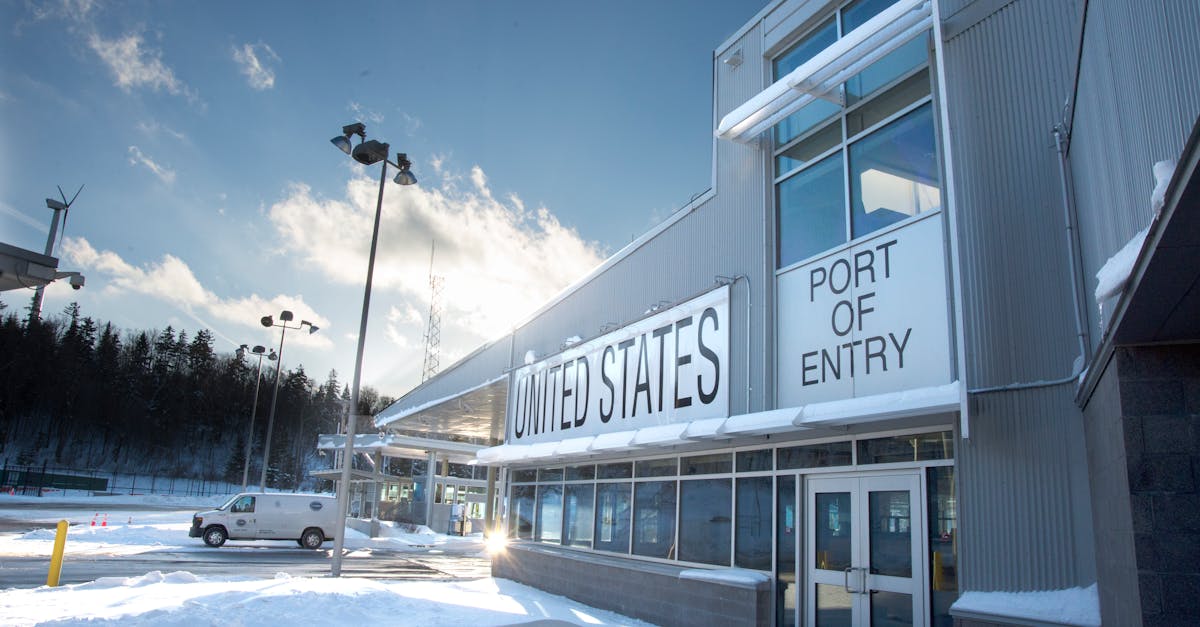
  • CBP (Customs and Border Protection): Guards the borders and ports of entry, screens travelers, and prevents illegal entry.

In short: DHS makes the policies, and USCIS, ICE, and CBP carry them out.

USCIS – U.S. Citizenship and Immigration Services Explained

When people talk about “immigration” in the U.S., most of the time they’re really dealing with USCIS. It’s part of the Department of Homeland Security. It’s the agency that handles almost all applications and paperwork for people who want to live, work, or become citizens here, and makes decisions on applications.

Here’s what USCIS handles:

  • Green Cards and Citizenship: Reviews applications for permanent residency, naturalization, and U.S. citizenship.
  • Family Immigration: Processes petitions for U.S. citizens and green card holders who want to bring relatives.
  • Work Permits and Employment Visas: Issues employment authorization and processes work-related immigration cases.
  • Asylum and Humanitarian Relief: Decides asylum claims and oversees humanitarian programs for displaced individuals.
  • E-Verify: Runs the system that lets employers confirm if new hires are authorized to work.
  • International Adoption: Handles the first stage when U.S. citizens adopt children from abroad.
  • Education and Integration: Offers resources on immigrant rights, responsibilities, and civic participation.
  • Historical Records: Provides access to old naturalization and immigration files through the Genealogy Program.

Current situation: USCIS is facing historic backlogs. Green cards, work permits, and citizenship cases often take longer than expected. Filing complete and accurate applications is crucial to avoid delays.

ICE – U.S. Immigration and Customs Enforcement

ICE is the enforcement side of immigration. It’s also under the Department of Homeland Security and focuses on investigating violations and removing people who are in the country unlawfully.

ICE has two major divisions:

  • Enforcement and Removal Operations (ERO): Identifies, arrests, and removes undocumented immigrants.
  • Homeland Security Investigations (HSI): Investigates human trafficking, drug smuggling, visa fraud, and cybercrime.
  • Detention Operations: Manages facilities where individuals in deportation proceedings are held.
  • Support Services: Provides intelligence and forensic work to strengthen enforcement efforts.

Current situation: ICE continues to be a controversial agency, especially in how it handles detention and deportations. Policies shift depending on administration priorities, so enforcement trends can change quickly.

For immigrants, knowing each agency’s role can turn
a confusing system into a clear path forward.

Choosing TheImmiQuest helps you take the next step
towards your U.S. Dream

making the process smooth and easy.

CBP – U.S. Customs and Border Protection

CBP is one of the largest law enforcement agencies in the world. It’s the frontline agency at the border and at ports of entry. Their job is to keep threats out while allowing lawful trade and travel.

Here’s what CBP does:

  • Port of Entry Inspections: Officers check travelers and goods entering the U.S.
  • Border Patrol: Agents patrol between ports of entry to prevent unlawful crossings.
  • Asylum Processing: First contact for many asylum seekers who arrive at the border.
  • Document Verification: Checks passports, visas, and travel documents for authenticity.
  • Detention and Transfers: Temporarily holds individuals before transferring them to other agencies.
  • Agricultural and Customs Enforcement: Protects against harmful imports while regulating trade.

Current situation: CBP has been at the center of debates over border security, asylum policy, and humanitarian treatment. With record-high encounters at the southern border, CBP is under intense scrutiny and pressure.

DOS – U.S. Department of State

While DHS handles most immigration inside the U.S., the Department of State (DOS) manages the process abroad. Through U.S. embassies and consulates, DOS controls visa issuance.

Their immigration roles include:

  • Visa Applications: Issues nonimmigrant visas (like tourist or student) and immigrant visas for green card applicants.
  • Passport Services: Handles U.S. passport applications and renewals.
  • Refugee Processing: Works with other agencies on refugee admissions and interviews.
  • Consular Services: Assists U.S. citizens abroad and provides immigration-related services overseas.
  • International Agreements: Negotiates treaties and agreements that affect immigration.

Current situation: After pandemic-related slowdowns, many consulates are still catching up with visa backlogs. Wait times for interviews, especially for tourist and student visas, remain high in some countries.

EOIR – Executive Office for Immigration Review

Immigration court is run by EOIR, which falls under the Department of Justice. This agency doesn’t handle applications but instead conducts hearings and decides legal cases.

What EOIR does:

  • Immigration Courts: Immigration judges hear cases on deportation, asylum, and other relief.
  • Board of Immigration Appeals (BIA): Reviews appeals of judge decisions.
  • Due Process: Ensures immigrants have hearings and opportunities to present their case.

Current situation: Immigration courts have a record backlog of cases, now numbering in the millions. This means hearings can be scheduled years into the future, creating long waits for final decisions.

DOL – U.S. Department of Labor

Immigration isn’t just about paperwork, it’s also about jobs. The Department of Labor (DOL) plays a key role in employment-based immigration.

DOL responsibilities include:

  • Labor Certification (PERM): Certifies that hiring a foreign worker won’t harm U.S. workers.
  • Wage Protections: Enforces fair pay and working conditions.
  • H-2A and H-2B Programs: Regulates seasonal agricultural and non-agricultural temporary workers.
  • Worksite Enforcement: Partners with other agencies to ensure employers follow immigration-related labor laws.

Current situation: With labor shortages in industries like agriculture and hospitality, DOL programs for temporary foreign workers are more important than ever. Employers are relying heavily on these visas to fill gaps.

SSA – Social Security Administration

The Social Security Administration (SSA) isn’t an immigration agency, but it is a part of the process for anyone authorized to work. Without a Social Security number, immigrants can’t legally be employed.

SSA’s role in immigration:

  • Assigning SSNs: Issues Social Security numbers to eligible immigrants.
  • Verification: Works with employers and other agencies to confirm work eligibility.
  • Benefit Eligibility: Determines whether noncitizens qualify for benefits like disability or retirement.

Current situation: SSA works closely with USCIS and DHS on identity verification, especially through programs like E-Verify.

HHS – U.S. Department of Health and Human Services

Immigration is also about humanitarian support. The Office of Refugee Resettlement (ORR), part of HHS, steps in to provide services to vulnerable immigrant groups.

Key responsibilities:

  • Refugee Resettlement: Places and supports refugees across the country.
  • Unaccompanied Children: Provides care and housing for minors who arrive without parents.
  • Health Screenings: Ensures immigrants receive basic medical care on arrival.
  • Humanitarian Services: Coordinates food, shelter, and assistance for immigrants in crisis.

Current situation: HHS is at the center of efforts to manage record numbers of unaccompanied minors crossing the border, a sensitive and politically charged issue.

Takeaway Message

U.S. immigration involves many agencies, each with a very different role. USCIS handles applications, ICE and CBP enforce the laws, DOS issues visas abroad, EOIR runs the immigration courts, DOL oversees employment-related certifications, SSA provides Social Security numbers, and HHS supports refugees and vulnerable immigrants.

Knowing who does what makes the system less confusing. While the agencies may seem overwhelming, each one has a clear purpose. And with today’s backlogs, policy shifts, and heightened enforcement, understanding the structure of U.S. immigration is more important than ever.

FAQs About U.S. Immigration Agencies

The primary immigration agency is USCIS (U.S. Citizenship and Immigration Services), which handles green cards, citizenship, work permits, asylum, and most applications.

USCIS processes applications and benefits, while ICE (Immigration and Customs Enforcement) enforces immigration laws, investigates fraud, and manages deportations.

CBP (Customs and Border Protection) is responsible for border security, inspecting travelers at ports of entry, preventing illegal crossings, and processing asylum seekers.

The Department of State (DOS) manages U.S. embassies and consulates abroad. They issue immigrant and nonimmigrant visas for travel to the United States.

The Executive Office for Immigration Review (EOIR) runs immigration courts and appeals. Immigration judges decide asylum, deportation, and other legal cases.

DOL ensures hiring foreign workers does not harm U.S. workers. They oversee labor certification (PERM) and temporary worker programs like H-2A and H-2B.

Yes. The Social Security Administration (SSA) issues SSNs to authorized immigrants. An SSN is required for employment and access to many U.S. services.

The Office of Refugee Resettlement (ORR) under HHS (Health and Human Services) provides housing, medical care, and placement for refugees and vulnerable immigrants.

Agencies like USCIS, EOIR, and DOS face record-high application volumes, staffing shortages, and policy changes, leading to long processing delays.

It depends on your situation:

  • USCIS: applications for green cards, citizenship, asylum, or work permits

  • ICE/CBP: enforcement or border issues

  • DOS: visas abroad

  • EOIR: immigration court cases

  • DOL: employment-based processes

  • SSA: Social Security numbers

  • HHS: refugee and humanitarian services


Scroll to Top